Palama Rehabilitation Home Marks First Anniversary
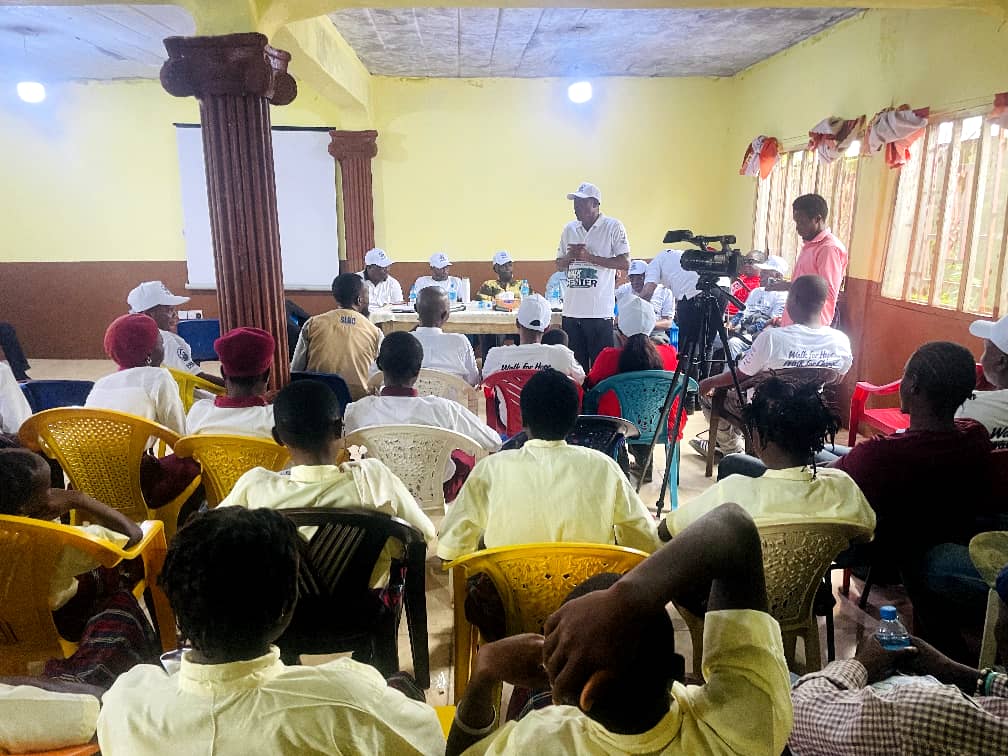
Palama Rehabilitation Home has marked its first anniversary with a call for stronger partnerships to address mental health challenges and substance abuse among young people.
Palama Rehabilitation Home, described as the first and only rehabilitation home in Port Loko District, provides care and support for people experiencing mental health challenges, individuals affected by substance abuse and other vulnerable members of society.
The event, held on Saturday, October 10, 2026, coincided with World Mental Health Day. It brought together representatives of ministries, departments and agencies (MDAs), civil society organisations (CSOs), mental health practitioners and cultural experts to reflect on the importance of rehabilitation, community support and the reintegration of people affected by substance abuse. Participants shared insights on the challenges facing young people and emphasised the need for collective action to address them.
Speaking at the event, Hon. Ibrahim Rashid Bundu, founder of the rehabilitation home, stressed the importance of drawing on personal experience and professional expertise to give back to society and help vulnerable people rebuild their lives. “I am a retired politician, but I am not tired,” he said, to everyone’s amusement, reaffirming his commitment to public service after more than 20 years of experience.
He explained that the home was established to contribute to addressing the growing challenges associated with mental health and substance abuse, which he described as serious concerns requiring collective action.
Bundu said the home is residential, and supports individuals through various approaches, including rehabilitation, counselling, guidance and education. He added that plans were underway to introduce vocational training programmes to equip residents with practical skills, promote independence and facilitate their reintegration into society. “We want to introduce arts, catering, gara tie-dyeing and tailoring at the home. Recovery requires appropriate management, preparation and support to enable individuals to return to their families and communities and live productive lives. We need support to actualise these dreams for our future generations,” he said.
He noted that the home had a large space that could be used to accommodate vocational training programmes and other activities aimed at improving residents’ well-being and livelihoods.
According to him, several individuals had demonstrated encouraging progress after spending months undergoing rehabilitation, highlighting the importance of sustained care and support in the recovery process.
He urged Sierra Leoneans to recognise that people experiencing substance-related challenges should not be isolated or treated as outcasts. Instead, he called for greater understanding and encouraged affected individuals to seek help and receive the support they need.
He explained that effective rehabilitation required trained personnel, vocational instructors, appropriate facilities and other essential resources to provide adequate support to those in need.
“So, we are calling for support in these areas too,” he said.
Bundu added that the availability of space at the home presented an opportunity to develop vocational training programmes, but additional resources and qualified instructors would be required to implement them effectively.
He called on skilled individuals and volunteers to contribute their expertise to the initiative, describing the rehabilitation home as a developing project that required the involvement of people committed to humanitarian service.
He further emphasised that vocational training could help residents prepare for productive lives, become self-reliant and improve their prospects of contributing meaningfully to their families and communities.
Sajoh Jalloh, Chief Executive of Veteran Artists Association of Sierra Leone, announced his willingness to train young children in Acrobatics and Cultural Dance at Palama, activities which would build their skills and self-esteem, thus contributing to their wellbeing in Mental Health and possibly giving them opportunities to earn a livelihood with these skills. Jalloh is an expert, having trained most of the top gymnasts and acrobats of Sierra Leone, some of whom have gone on to further their skills through scholarships in China.
Lucy Lamin, a mental health expert , praised Bundu for establishing the rehabilitation home and commended his commitment to supporting vulnerable people.
Reflecting on the 2026 Global Mental Health theme, Lived Experiences Heard: Real Voices, Real Change,” Lamin emphasised the importance of creating opportunities for people to share their personal experiences and have their voices heard.
She noted that listening to the lived experiences of affected individuals was essential to understanding the challenges they faced and developing appropriate responses. She also stressed that collective efforts among relevant stakeholders like that of Palama, could help mitigate issues affecting young people, particularly those associated with mental health and substance abuse.